
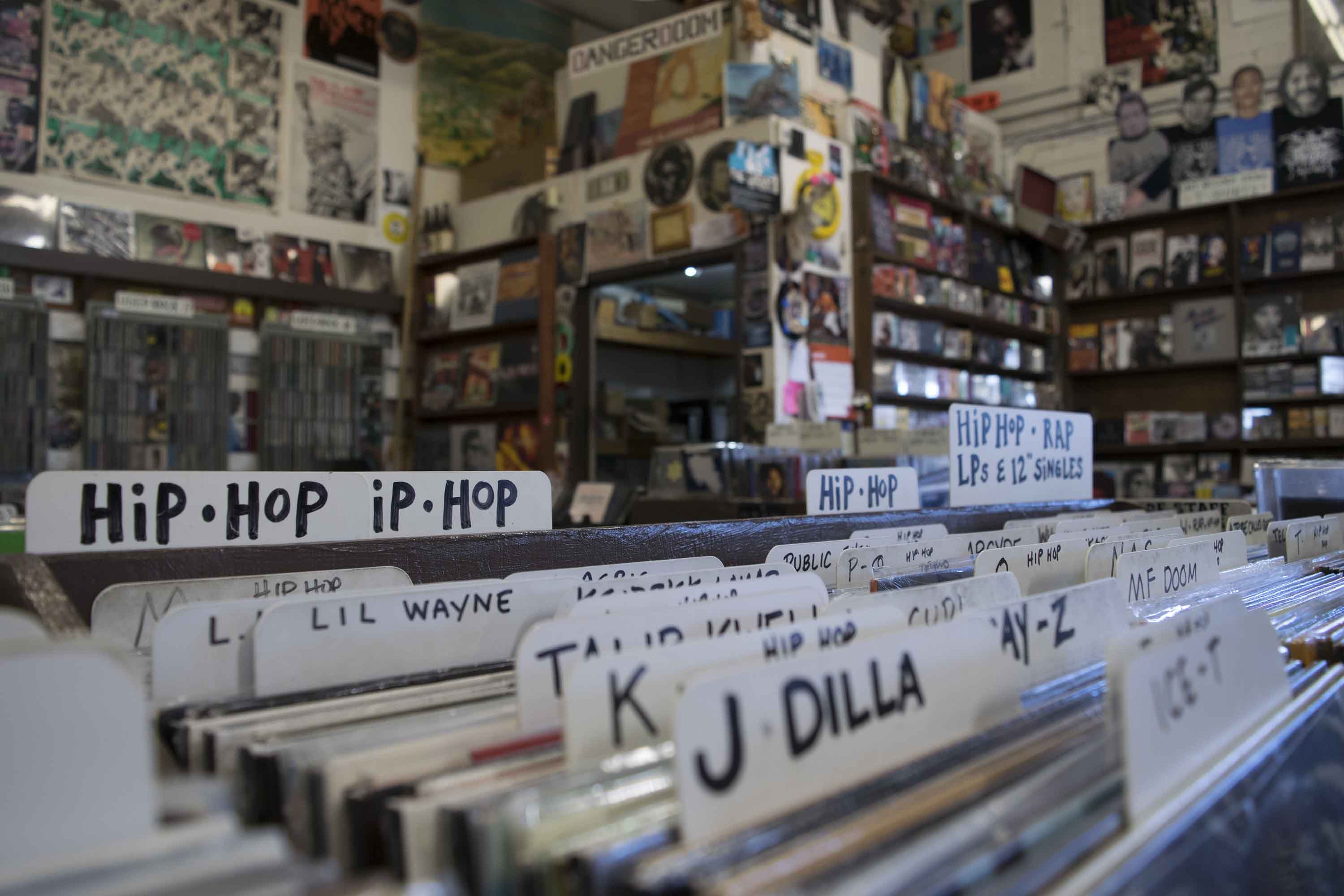
Streaming has made music more accessible than at any previous point in the recording industry's history. Millions of songs are available through a smartphone, and listeners can discover new releases without visiting a store or purchasing an album.
Yet physical records are selling in numbers that seemed unlikely when CDs and digital downloads dominated music consumption.
In 2025, U.S. consumers purchased 46.8 million vinyl records, according to the Recording Industry Association of America (RIAA). Vinyl generated approximately $1.04 billion in U.S. recorded-music revenue, an increase of 9.3% over the previous year.
Internationally, the trend was similar. IFPI reported that global vinyl revenue increased 13.7% in 2025, marking the format's 19th consecutive year of growth.
These figures establish that vinyl's comeback is more than a nostalgic conversation. Consumers are spending substantial amounts of money on records at a time when digital streaming remains the dominant form of music consumption.
But the resurgence raises a larger question.
Why are listeners purchasing physical records when streaming already provides convenient access to the same music?
The answer involves collecting, album artwork, cultural history, music ownership, and the different ways people establish relationships with artists.
For hip-hop in particular, vinyl also represents a connection to the records and DJ techniques that helped create the genre.
Vinyl's Comeback Is Supported by Real Sales Growth
The revival of vinyl is measurable.
RIAA's year-end report for 2025 documented continued growth in both U.S. unit sales and revenue.
| U.S. vinyl market | 2024 | 2025 |
|---|---|---|
| Units sold | 43.4 million | 46.8 million |
| Revenue | $954.4 million | $1.04 billion |
Vinyl unit sales increased 7.9%, while revenue increased 9.3%.
Those numbers are significant because they represent a format that had previously experienced a steep commercial decline.
Vinyl was the dominant physical music format for much of the recording industry's earlier history. During the 1980s and 1990s, cassettes and CDs progressively replaced records as the primary way consumers purchased albums.
The arrival of digital downloads and later streaming further transformed music consumption.
For a period, vinyl appeared to be moving toward a smaller market primarily supported by DJs, collectors, independent labels, and specialized record stores.
Its subsequent expansion challenged the expectation that convenient digital access would eliminate demand for physical recordings.
Still, the numbers require context.
In 2025, U.S. streaming revenue reached approximately $9.47 billion, according to RIAA.
Vinyl remained much smaller than streaming as a source of recorded-music revenue.
Vinyl's resurgence does not mean listeners are abandoning streaming. It means a substantial audience continues to find value in purchasing music they can physically own.
Physical Ownership Offers Something Streaming Cannot
Streaming provides access to recordings under a service's licensing and subscription arrangements.
A listener can save an album, build playlists, and return to favorite songs without purchasing an individual copy.
But saving an album in an app is not the same as owning a physical recording.
Licensing changes can affect availability, and subscribers depend on the service's continued operation and access conditions.
A vinyl record is different.
Once purchased, the object belongs to the buyer. It can be played using suitable equipment, displayed, collected, gifted, or resold.
That distinction is one reason collectors value physical releases.
Ownership also creates a connection to a particular edition of an album.
A pressing may feature original artwork, printed credits, photographs, inserts, or packaging that differs from later versions.
A record purchased at a concert can become associated with that performance.
Another found in a secondhand store may carry the history of an earlier owner.
For many collectors, those qualities distinguish a physical record from a digital library containing thousands of saved titles.
Not everyone purchases vinyl for the same reason, however.
Some buyers regularly play their records. Others primarily collect editions connected to favorite artists or display album artwork.
The renewed market supports several different relationships with the format.
The Album Experience Has Become Part of the Appeal
Streaming makes it easy to move between songs.
Listeners can skip tracks, follow playlists, explore recommendations, or hear individual recordings without necessarily listening to an entire album.
Vinyl encourages a different form of engagement.
Playing a record involves selecting the album, placing it on the turntable, and listening through a side before changing or stopping playback.
That physical interaction can encourage attention to the relationship between tracks.
Album sequencing becomes more noticeable when the listener experiences the project in a sustained period rather than through isolated recommendations.
Of course, vinyl does not guarantee attentive listening.
A record can play in the background just as easily as a streaming playlist.
Nor does streaming prevent listeners from appreciating complete albums.
The distinction is that physical playback offers a different routine.
For some people, the process of handling and playing a record becomes part of the music experience itself.
That can be especially meaningful for albums designed around an extended narrative, cohesive production style, or carefully planned sequence.
Hip-Hop Was Built Around Turntables and Records
Vinyl's cultural significance is particularly strong within hip-hop.
When the culture developed in the Bronx during the 1970s, DJs used records and turntables to create new musical experiences.
DJ Kool Herc became an important pioneer by emphasizing instrumental breaks from funk and other recordings.
Through turntable techniques, DJs could extend rhythmic passages and create opportunities for dancers.
The Rock & Roll Hall of Fame, which inducted Kool Herc in 2023, documents his use of two turntables and a mixer to isolate and repeat breaks.
Other pioneers, including Grandmaster Flash and Grand Wizzard Theodore, helped develop and popularize techniques associated with turntable manipulation and scratching.
These innovations changed the function of recorded music.
A commercially released record was no longer only something played from beginning to end.
It could become material for another performance.
The DJ could select a particular passage, repeat it, combine it with another recording, or transform the sound through physical manipulation.
That approach helped establish hip-hop's relationship with recorded music as a creative resource.
Vinyl was not simply a distribution format during the genre's early history.
It was part of the instrument through which the culture developed.
Crate Digging Connected Hip-Hop With Older Music
As hip-hop production developed, records became an important source of musical discovery.
Producers searched through collections of funk, jazz, soul, R&B, rock, and other recordings for sounds they could incorporate into new music.
The practice became widely known as crate digging.
It involved more than finding a recognizable hook.
A producer might discover a drum break, unusual chord progression, short instrumental phrase, or recording texture that suggested an entirely different musical arrangement.
Artists and producers such as DJ Premier, Pete Rock, J Dilla, and Madlib became associated with distinctive approaches to sampling and record selection.
Their work demonstrated how older recordings could be recontextualized within new compositions.
Sample-based production also helped introduce younger hip-hop listeners to musicians they might not otherwise have encountered.
However, sampling is not automatically free of copyright obligations.
Commercial recordings may involve rights in both the underlying musical composition and the sampled sound recording.
Where clearance is required, producers and labels must obtain the appropriate permissions.
That legal framework developed alongside the creative possibilities of sampling.
Today, many producers work primarily with digital files, virtual instruments, and sample libraries.
Crate digging nevertheless remains culturally significant.
The practice represents a particular way of listening: searching beyond the obvious recordings and recognizing creative potential in overlooked musical details.
Why Hip-Hop Albums Remain Attractive on Vinyl
Hip-hop has produced numerous albums with strong musical and visual identities.
Those qualities make certain projects particularly appealing as physical releases.
Dr. Dre's The Chronic represents a defining period in West Coast production, with its recognizable visual identity and connections to early-1990s G-funk.
Madvillainy, the 2004 collaboration between Madlib and MF DOOM, has become an influential example of sample-based underground hip-hop and distinctive album presentation.
Kendrick Lamar's To Pimp a Butterfly combines complex musical arrangements, narrative themes, and artwork that reinforces its social and historical context.
These albums come from different musical traditions.
But each has a recognizable identity that extends beyond its best-known individual songs.
A physical edition can emphasize that identity through the cover, sequencing, sleeve design, liner notes, and other packaging choices.
This does not mean a vinyl edition is necessarily the artist's preferred or most accurate-sounding version.
Nor does it mean all pressings contain identical mixes or mastering.
The format's cultural appeal comes partly from its ability to present an album as a designed object.
For collectors, the object can become another way of engaging with the music and the period it represents.
Album Artwork Becomes More Visible
A conventional 12-inch LP sleeve gives artwork substantially more physical space than a smartphone screen.
Typography, photographs, illustrations, and other design details become easier to examine.
Gatefold jackets and printed inserts can extend that presentation.
For hip-hop albums, artwork has frequently contributed to the public identity of a performer or musical movement.
Classic West Coast album covers, underground rap artwork, and contemporary visual campaigns all demonstrate how imagery can reinforce a recording's cultural meaning.
Physical packaging also provides room for credits.
Listeners can examine information about musicians, producers, engineers, writers, and other contributors when those details are included.
That is particularly relevant to hip-hop, where a recording's sound may depend on extensive collaboration.
Digital streaming services can provide credits as well, and their metadata capabilities continue to develop.
But a physical sleeve offers another method of presenting the information alongside the music.
For some collectors, the artwork alone is a meaningful reason to purchase an album.
Record Stores Still Offer a Different Kind of Discovery
Independent record stores remain important to vinyl culture.
Their value extends beyond selling physical products.
A well-curated shop can introduce listeners to unfamiliar artists, overlooked albums, regional scenes, and historical recordings.
Staff recommendations, in-store performances, listening events, and conversations among collectors all contribute to that experience.
A listener searching for a well-known hip-hop release might discover a lesser-known funk record sampled by a favorite producer.
Another might find an independent rap album from a city they had never explored.
Record Store Day, which began in 2007, has contributed to public attention surrounding independent record retailers and special physical releases.
But record stores also face real commercial challenges.
Inventory costs, rent, pricing, distribution arrangements, and online competition affect whether a particular business can remain profitable.
The vinyl resurgence creates opportunities for retailers without guaranteeing success.
The stores that survive often provide something that cannot be reduced to a product listing: knowledge, selection, community, and a recognizable local identity.
Streaming and Vinyl Can Strengthen Each Other
The relationship between streaming and vinyl is sometimes presented as a competition.
In practice, the formats can serve different purposes.
Streaming provides convenient access, portability, and discovery.
A listener can hear a new album shortly after release, explore unfamiliar artists, and share songs with friends.
Vinyl can become a later purchase for someone who develops a stronger relationship with a particular recording.
A fan may discover an artist through a playlist, listen to an album repeatedly, attend a performance, and eventually buy a physical edition.
That sequence is not universal.
Some collectors purchase records without streaming them first. Others use streaming exclusively.
But the coexistence of both formats helps explain why rising vinyl sales have not required streaming to decline.
The two experiences can meet different needs.
Digital access makes music easy to discover and hear.
Physical ownership can provide collectibility, artwork, a particular playback experience, and a lasting object associated with the artist.
Vinyl Can Benefit Independent Artists—but There Are Costs
Independent artists and record labels have opportunities to sell physical records directly to dedicated supporters.
A limited-edition pressing can offer an alternative to streaming alone.
It may include distinctive artwork, signed packaging, a numbered edition, or other features valued by collectors.
But a vinyl purchase does not automatically translate into a large profit for the performer.
The money received depends on the commercial arrangement.
For an artist selling directly, revenue must still cover manufacturing, packaging, payment processing, storage, shipping, damaged copies, and other expenses.
In a traditional retail arrangement, wholesalers, distributors, and retailers may receive portions of the sale price.
The artist's eventual income also depends on the recording and royalty agreements.
This makes demand forecasting important.
An artist with a dedicated audience may successfully sell a carefully planned pressing.
Another may commit substantial funds to records that remain unsold.
Production capacity and manufacturing schedules also vary by plant and project.
For that reason, vinyl should not be treated as a guaranteed income strategy for independent musicians.
Its economic value depends on the size and purchasing behavior of the audience, the cost of producing the edition, and the agreements governing the release.
Does Vinyl Actually Sound Better Than Streaming?
Sound quality is one of the most debated parts of vinyl collecting.
Some listeners prefer the character of analog playback.
Others favor the clarity, consistency, and convenience of high-quality digital audio.
There is no defensible general rule that every vinyl pressing sounds better than every digital version of the same recording.
Sound quality depends on several variables.
The mastering used for a particular release is especially important.
A vinyl edition may be mastered differently from a digital version, which can change the perceived sound.
Playback equipment also matters.
Turntable setup, cartridge alignment, stylus condition, speakers, amplification, and record cleanliness can all affect the result.
Vinyl has mechanical limitations, including surface noise, wear, and distortion under certain playback conditions.
Digital audio has different technical properties and can reproduce a properly mastered recording with very high accuracy.
The listening environment and the listener's preferences also influence the experience.
For many collectors, vinyl's appeal is not based solely on measured audio fidelity.
The physical experience, packaging, and personal significance of the recording may matter just as much.
Physical Records Have an Environmental Cost
Vinyl's revival also raises environmental questions.
Conventional records are manufactured from polyvinyl chloride, commonly called PVC.
Production requires raw materials, energy, packaging, and transportation.
Excess manufacturing, unnecessary packaging, and unsold inventory can add to those impacts.
A 2019 Pitchfork investigation examined efforts by record companies and pressing plants to make production more environmentally responsible.
Manufacturers have since continued experimenting with different pressing technologies, material recovery, and alternative processes.
In 2026, research and industry reporting described projects designed to recycle obsolete records into new pressings.
Those developments are promising, but they do not eliminate the environmental effects of physical manufacturing.
The most accurate approach is to recognize the trade-off.
A physical record can be used and preserved for decades, but it still requires materials and resources to produce.
For artists and labels, production decisions can include pressing quantities, packaging design, material choices, and ways to reduce unnecessary inventory.
The continued growth of vinyl makes those considerations increasingly relevant.
Why Vinyl's Comeback Matters for Music Culture
Vinyl's commercial recovery illustrates something important about contemporary music consumption.
Convenience is not the only reason people engage with recorded music.
Listeners also value physical ownership, artwork, personal collections, distinctive playback experiences, and relationships with artists.
Hip-hop adds a particularly significant historical dimension.
Turntables and records helped establish its earliest DJ practices.
Crate digging became an important production tradition.
Physical albums helped document different eras, regional movements, and creative identities.
Those histories continue to influence the way collectors experience hip-hop today.
At the same time, the modern vinyl market extends beyond nostalgia.
Younger listeners can encounter records as something new, while established collectors continue building and preserving their collections.
Artists and labels can present physical editions alongside their digital catalogs.
Streaming remains the dominant recorded-music format, but vinyl has established a meaningful place within that digital environment.
Vinyl records are making a comeback because listeners are finding value in music as something more than a temporary digital experience.
The return of physical records does not reverse the streaming revolution.
It demonstrates that recorded music can hold different kinds of value at the same time: immediate access, lasting ownership, creative history, and the cultural meaning of an album worth keeping.