
Every region has symbols that immediately communicate its identity.
For New York, those symbols might include subway trains, crowded sidewalks, brownstones and corner stores.
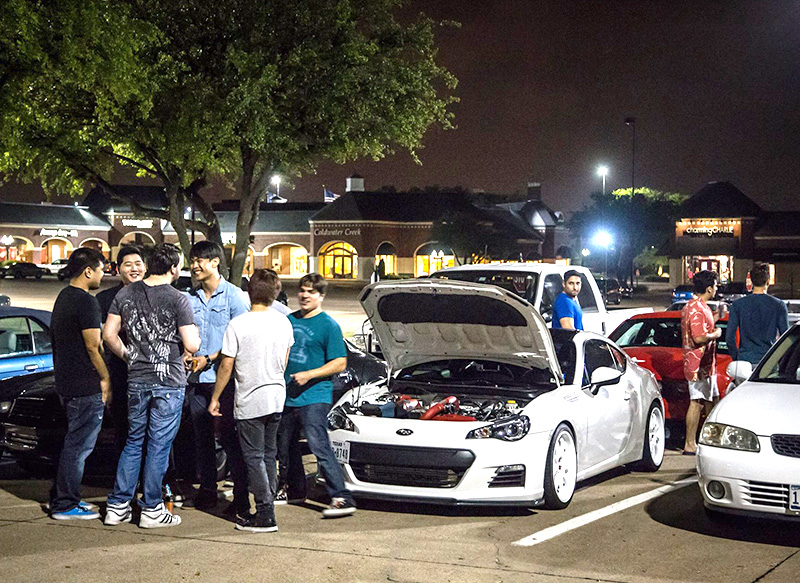
For California, few images are more recognizable than customized cars cruising beneath palm trees while music moves through open windows.
Car culture has long been one of the defining visual, social and creative influences on West Coast hip-hop.
Lyrics and production styles often receive most of the attention, but automobiles have played an equally important role in communicating identity, neighborhood history, craftsmanship, aspiration and community throughout California.
Lowriders became rolling works of art.
Classic cars became family projects.
Sound systems turned vehicles into mobile listening rooms.
Boulevards became public stages where drivers, builders, artists and audiences could see one another.
As Los Angeles hip-hop reached national and international audiences during the late 1980s and 1990s, customized vehicles became part of the region's visual language. Lowriders appeared in lyrics, album photography, films and music videos until they became inseparable from the global image of West Coast rap.
The relationship between cars and hip-hop was never only about transportation.
It was about lifestyle, expression and cultural ownership.
Key Takeaways
- California's geography and automobile-centered development made driving a major part of everyday social life.
- Cruising transformed streets and boulevards into spaces for community, visibility, music and personal expression.
- Lowriders connected craftsmanship, Mexican American cultural history, Black car culture and West Coast hip-hop imagery.
- Powerful vehicle sound systems influenced how producers, artists and engineers evaluated bass, vocals and overall mixes.
- Music videos helped make lowriders, classic cars and California streets international symbols of West Coast rap.
- Customization connects automotive culture to hip-hop through originality, identity, technical skill and independent creativity.
- Car clubs, cruises and automotive events create intergenerational communities similar to local music scenes.
- Electric vehicles and new technology may change the cars, but personalization and cultural expression will remain central.
California's Geography Encouraged Car Culture
Southern California developed across a large metropolitan landscape connected by freeways, boulevards and neighborhoods spread across considerable distances.
Driving became necessary for work, education, recreation and social life.
Unlike cities where public transportation formed the center of daily movement, Los Angeles often required people to experience the city from behind the wheel.
That geography gave automobiles unusual cultural importance.
A car was not simply a tool used to reach a destination.
It became a private room, social platform, music system and public statement.
People spent significant portions of their lives driving between neighborhoods, studios, schools, workplaces, beaches, clubs and family homes.
Those hours naturally became part of the stories told through West Coast music.
In West Coast hip-hop, the car became more than transportation. It became a studio reference, visual signature, community space and moving expression of identity.
The Automobile Became a Personal Space
Cars offered privacy inside a sprawling public city.
Friends could talk, listen to music and move between neighborhoods without needing a formal venue.
Artists could test unfinished songs while driving.
Producers could evaluate whether drums carried enough weight.
Listeners could experience albums in an environment where the sound system, movement and surrounding city became part of the music.
For many people, important musical memories are connected to vehicles:
- Hearing a new song for the first time
- Driving to a concert
- Listening to a complete album during a long trip
- Testing a demo after a recording session
- Sharing music with friends
- Practicing lyrics while driving
- Discovering an artist through someone else's sound system
The automobile became one of the places where music was evaluated, remembered and shared.
Cruising Became a California Tradition
Long before smartphones, streaming services and social platforms, cruising provided a visible form of community participation.
Friends gathered along well-known streets and boulevards, driving slowly through neighborhoods, visiting restaurants and meeting other automobile enthusiasts.
The goal was not always to reach a destination quickly.
The drive itself was the event.
Vehicles moved slowly enough to be seen.
Music could be heard by people standing nearby.
Paint, wheels, interiors and hydraulic systems became part of a public presentation.
Cruising combined movement, fashion, sound and social interaction before those elements were packaged as modern lifestyle marketing.
Boulevards Became Public Stages
Car culture transformed ordinary streets into performance spaces.
A boulevard could function like a runway, concert and community gathering at the same time.
Drivers displayed vehicles.
Passengers interacted with friends.
Photographers documented the scene.
Music provided the soundtrack.
The public nature of cruising made it compatible with hip-hop, a culture built partly through visibility, performance and neighborhood recognition.
Both cultures depended on being experienced in real environments rather than only through formal institutions.
Crenshaw Boulevard Became an Iconic Symbol
Crenshaw Boulevard became one of the streets most closely associated with Los Angeles cruising and West Coast cultural identity.
Its importance extended beyond automobile traffic.
The boulevard connected neighborhoods, businesses, restaurants, creative communities and public gathering spaces.
Lowriders cruising through the area became part of the visual vocabulary associated with Los Angeles hip-hop.
Music videos and photographs repeatedly used the street and surrounding communities to communicate location without requiring an explanation.
A customized vehicle moving through Crenshaw could instantly establish that the story belonged to Los Angeles.
Cruising Connected Generations
Automotive culture often moves through families.
Parents introduce children to particular models, restoration techniques and neighborhood traditions.
Older builders explain how vehicles were customized before modern tools and online tutorials became available.
Younger enthusiasts introduce digital design, new audio systems and contemporary technology.
This exchange allows the culture to evolve without disconnecting from its history.
Hip-hop operates similarly.
Younger artists study classic albums and regional pioneers while developing new production styles and distribution methods.
Both cultures remain durable because knowledge moves between generations.
Lowriders Became Rolling Cultural Statements
Lowriders are among the most recognizable vehicles associated with California culture.
Their significance begins with Mexican American communities throughout the Southwest and Southern California, where builders transformed automobiles into expressions of family, religion, art and neighborhood identity.
Lowriders were designed to move slowly and be seen.
Painted bodies, detailed pinstriping, custom interiors, chrome, murals and hydraulic systems transformed factory-produced vehicles into individual artworks.
The Smithsonian describes lowriders as cars with identities—automobiles that communicate social, cultural and aesthetic meaning rather than functioning only as transportation.
This emphasis on identity explains why lowriding connected so naturally with hip-hop.
Lowriding Is Built on Craftsmanship
A completed lowrider may appear effortless while cruising, but the finished vehicle can represent years of technical and artistic labor.
Builders may modify:
- Suspension systems
- Hydraulics
- Bodywork
- Paint
- Pinstriping
- Murals
- Chrome details
- Wheels
- Upholstery
- Steering wheels
- Audio systems
- Engines
Each decision contributes to the overall identity.
The work requires patience, specialized knowledge and collaboration between painters, mechanics, upholsterers, fabricators and artists.
This process resembles the creation of a professional record.
A finished song may last only a few minutes, but it can involve writers, producers, engineers, musicians, designers and visual creators working toward one coherent result.
Customization Turned Ownership Into Expression
A factory vehicle is designed for a broad market.
A customized car reflects one owner or community.
The same principle operates in hip-hop.
Artists begin with shared tools—rhythm, language, recording equipment and musical traditions—but transform them through individual decisions.
A recognizable artist does not simply use a beat.
The artist changes the beat's meaning through voice, perspective and performance.
A recognizable car builder does not simply restore a vehicle.
The builder creates a version that could not belong to anyone else.
Both cultures turn available materials into personal authorship.
Lowriders Crossed Regional and Racial Communities
Lowrider culture developed strongly within Mexican American communities, but its visual and cultural influence traveled across racial and neighborhood boundaries.
Black car enthusiasts in Los Angeles developed lowriders and participated in cruising culture.
As West Coast hip-hop expanded during the 1990s, lowriders became prominent visual elements within Black rap videos and films.
The connection demonstrated how cultures can influence one another through shared geography while retaining distinct histories.
Lowriders became part of a broader Los Angeles cultural vocabulary involving Chicano communities, Black communities, music, fashion and street life.
Hydraulics Added Movement to Automotive Design
Hydraulic systems allowed lowriders to raise, lower and move in ways standard vehicles could not.
The automobile became kinetic art.
Movement added performance to design.
Drivers could activate switches to change the car's height or produce rhythmic motion.
That motion translated naturally to music videos because it gave vehicles a visual relationship with the beat.
A bouncing lowrider did not function as a motionless background object.
It became a performer within the frame.
Classic Cars Carried Memory
Not every important vehicle in West Coast hip-hop is a lowrider.
Classic Chevrolets, Cadillacs, Buicks, Oldsmobiles, Monte Carlos and other American cars also became central to California automotive culture.
Some vehicles were passed through families.
Others were restored after years of neglect.
A particular model could remind an owner of a parent, neighborhood or period of life.
Restoration therefore involved more than mechanical repair.
It preserved memory.
Hip-hop catalogs function similarly.
A classic record can carry personal history long after its original commercial campaign ends.
Different Cars Tell Different Stories
West Coast hip-hop never celebrated only one type of automobile.
Classic Impalas and Cadillacs became highly visible, but California's automotive culture also included muscle cars, luxury sedans, trucks, motorcycles, Japanese imports and performance vehicles.
Each category communicated a different identity.
A restored classic might emphasize heritage and craftsmanship.
A muscle car might communicate speed and mechanical power.
A European luxury vehicle might represent commercial success.
A customized import might reflect technical experimentation and contemporary youth culture.
The variety of vehicles mirrored the diversity of West Coast artists.
There was never one required sound, image or lifestyle.
The Chevrolet Impala Became a West Coast Icon
Few vehicles became as closely associated with West Coast rap as the Chevrolet Impala, particularly the 1964 model.
Its long body, recognizable profile and adaptability made it popular among lowrider builders.
Lyrics and videos repeatedly referenced the “six-four,” turning the model into a symbol understood far beyond automotive communities.
For international listeners, the Impala became an immediate visual connection to Los Angeles rap.
Its significance came from repetition across music, film, photography and real street culture.
The vehicle was not invented by hip-hop.
Hip-hop amplified its cultural meaning.
Cadillacs Communicated Luxury and Presence
Cadillacs have long carried associations with success, size, comfort and American luxury.
Their extended bodies and distinctive design made them natural choices for customization.
Within music, a Cadillac could represent achievement without disconnecting completely from classic-car culture.
The vehicle communicated that the owner had progressed financially while retaining an appreciation for style and tradition.
Muscle Cars Added Performance to the Image
California automobile culture also embraced power and speed.
Muscle cars introduced a different visual language built around engines, acceleration and aggressive design.
These vehicles appeared naturally within rap built around competition, ambition and high performance.
The mechanical strength of the car paralleled the force of the music.
Luxury Cars Reflected Changing Aspirations
As hip-hop became commercially successful, artists increasingly referenced and displayed European luxury cars and high-performance vehicles.
Those choices reflected changing economic possibilities.
An artist might begin with music about neighborhood cruising and later document access to vehicles associated with wealth and international status.
The evolution of the cars could become part of the career narrative.
However, classic vehicles often remained culturally important even after artists gained access to newer luxury models.
One represented achievement.
The other represented origin and identity.
Japanese Imports Expanded California Car Culture
California's automotive scene also became central to import tuning and performance culture.
Japanese vehicles were customized through engines, suspension, bodywork, wheels and audio systems.
This movement connected strongly with younger drivers, racing culture and multicultural communities throughout the state.
Import culture demonstrated that California's relationship with cars was never limited to one generation or one cultural tradition.
Every era found new vehicles to transform.
Music Was Always Part of the Ride
Cars and music evolved together.
A vehicle offered an enclosed listening environment with its own acoustic characteristics.
Powerful sound systems turned automobiles into mobile performance spaces.
Bass could be felt physically.
Vocals had to remain clear over road noise.
Drums needed enough impact to survive outside the controlled environment of a studio.
This made car listening especially important to West Coast production.
The Car Test Became Part of Music Production
Producers and engineers often evaluate recordings in several environments.
A song that sounds balanced through studio monitors may behave differently inside a vehicle.
Low frequencies may become overwhelming.
Vocals may disappear.
Drums may lose impact.
The car test helps reveal those problems because many listeners experience hip-hop primarily while driving.
Important elements include:
- Kick-drum impact
- Bass definition
- Vocal clarity
- High-frequency harshness
- Stereo balance
- Overall loudness
- Translation at low and high volume
The goal is not to mix music only for one vehicle.
It is to ensure the record remains powerful in a real listening environment.
Bass Became Physical
West Coast hip-hop developed a strong relationship with bass partly because vehicles allowed listeners to experience low frequencies physically.
A well-designed system could make seats, windows and body panels vibrate.
The bass became more than a sound.
It became movement.
This physical response influenced production decisions involving kick drums, bass lines and synthesizers.
G-funk was especially compatible with the car environment because melodic bass, relaxed tempos and clear drums created music suited for cruising.
G-Funk Became the Sound of the Boulevard
G-funk became one of the defining styles of West Coast hip-hop during the early 1990s.
The music combined funk samples, live-feeling instrumentation, melodic synthesizers, deep bass and relaxed vocal performances.
Its tempo and musicality made it ideal for driving.
Records could sound smooth without losing weight.
The music reflected Southern California life through both lyrics and atmosphere.
A G-funk record played through a strong car system while moving through Los Angeles created a complete relationship between sound and location.
The Chronic Connected Sound and Lifestyle
Dr. Dre's The Chronic became one of the most influential representations of West Coast music and culture.
The album's production combined deep bass, funk, melodic synthesizers and polished vocal arrangements.
Its music videos and imagery reinforced a Southern California world involving neighborhoods, social gatherings and customized vehicles.
The album did not treat cars as isolated luxury products.
They belonged to the environment surrounding the music.
Warren G Turned Cruising Into Atmosphere
Warren G's Regulate... G Funk Era presented another side of Southern California car culture.
Its sound was smooth, melodic and deeply connected to Long Beach.
The Recording Academy has described the album as a snapshot of Southern California life, including cars equipped with powerful audio systems.
The music demonstrated how driving could become part of narrative and mood rather than functioning only as a symbol of wealth.
The car created movement through the story.
The production supplied the atmosphere.
Sound Systems Became Technical Art
Automotive audio installation developed into a specialized form of customization.
Enthusiasts selected speakers, amplifiers, subwoofers and head units based on the listening experience they wanted to create.
Installers also had to consider:
- Electrical capacity
- Speaker placement
- Enclosure design
- Acoustic treatment
- Vibration control
- Interior space
- Visual integration
A system needed to sound powerful without appearing disconnected from the vehicle's overall design.
As with music production, technical skill served an artistic goal.
Cars Helped Music Travel Through Neighborhoods
Before streaming allowed a song to reach millions of listeners instantly, automobiles helped music circulate locally.
A new record could be heard through a friend's stereo, outside a store, at a car meet or during a neighborhood cruise.
Listeners often discovered music socially rather than through formal advertising.
The person controlling the stereo became a curator.
Playing a new song for friends could influence which records gained local momentum.
Cars therefore operated as informal distribution and discovery systems.
Lyrics Turned Vehicles Into Narrative Tools
West Coast rappers used automobiles in lyrics because cars were already part of daily life.
A vehicle could communicate:
- Location
- Economic status
- Personal taste
- Neighborhood identity
- Freedom
- Danger
- Mobility
- Escape
- Community participation
The car also gave storytellers a natural structure.
A song could follow a drive through several neighborhoods.
Characters could encounter one another at intersections, gas stations or parking lots.
Movement through the city created narrative progression.
Eazy-E Made Cruising Part of Rap Vocabulary
Eazy-E's music helped make vehicle references central to the public image of Compton rap.
Descriptions of cruising in a customized Chevrolet connected music, location and car culture through direct storytelling.
The vehicle helped listeners visualize the environment.
It also reinforced the relationship between the individual narrator and the larger street culture surrounding him.
Dr. Dre Made Hydraulics Musical
References to switches and hydraulic movement connected automotive technology with rhythm.
The action of raising, lowering or bouncing a lowrider could be timed visually to music.
What began as mechanical customization became part of rap language.
Listeners who had never operated a hydraulic system could still understand the cultural meaning through songs and videos.
Cars Created Cinematic Storytelling
A vehicle gives music-video directors several storytelling options.
It can establish a character's status.
It can move the story between locations.
It can create a private conversation between passengers.
It can become a performance platform.
It can connect the artist to a neighborhood.
Because cars already carry emotional and cultural meaning, directors can communicate quickly without extensive exposition.
Music Videos Expanded the Image Worldwide
As West Coast music videos reached audiences through television and later the internet, California automotive culture became internationally recognizable.
Lowriders moving through palm-lined streets created an immediate visual signature.
Viewers outside California may not have understood every neighborhood reference, but they could recognize the larger aesthetic.
Automobiles provided movement, color and scale.
They also connected the artist to a real regional culture rather than an anonymous studio set.
The Smithsonian notes that lowriders became mobile props—and sometimes lead characters—in 1990s West Coast hip-hop videos.
Lowriders Became More Than Background Objects
A strong automotive image can carry as much visual importance as the performer.
Paint reflects light.
Chrome creates movement.
Hydraulics respond to rhythm.
Long bodies shape the composition of a shot.
The vehicle helps determine wardrobe, location and camera movement.
When selected carefully, the car reinforces the artist's identity and the song's emotional tone.
Boyz n the Hood Connected Film, Cars and Rap
John Singleton's Boyz n the Hood helped introduce global audiences to a detailed representation of South Central Los Angeles.
Cars functioned naturally inside that environment because they were part of neighborhood life, mobility and social interaction.
Ice Cube's role in the film also strengthened the connection between West Coast rap and cinematic storytelling.
The project demonstrated how music, automobiles and film could work together to create a recognizable regional world.
Cypress Hill Showed the Cross-Cultural Reach of Lowriders
Cypress Hill's visual identity reflected Los Angeles' multicultural environment and the connection between hip-hop and lowrider culture.
The group's work demonstrated how automotive traditions crossed community lines while retaining strong Southern California roots.
Lowriders provided a visual language capable of connecting Latino cultural history, West Coast rap and international audiences.
Album Artwork Preserved Automotive Identity
Cars also appeared in album covers, promotional photographs and magazine features.
A carefully selected vehicle could communicate an entire campaign's identity before the listener heard the music.
Classic cars suggested history.
Luxury vehicles suggested achievement.
Lowriders suggested regional culture and craftsmanship.
Automotive imagery gave artists another way to build continuity across music, photography and video.
Photography Turned Cars Into Cultural Documents
Photographers documented automotive communities long before every event was recorded through smartphones.
Their images preserved paint styles, clothing, neighborhoods, car clubs and public gatherings.
These photographs now function as historical evidence of how California culture looked during different eras.
Music photographers also used vehicles to place artists within recognizable environments.
The car became part portrait prop and part cultural document.
Customization Reflects Individuality
One of the strongest connections between automotive culture and hip-hop is customization.
Both begin with shared tools and become valuable through individual interpretation.
A car builder may begin with a mass-produced vehicle.
A producer may begin with common software, instruments or samples.
The final result becomes distinctive through hundreds of decisions.
Paint, upholstery and suspension communicate identity in the automotive world.
Voice, drums, arrangement and artwork communicate identity in music.
Originality becomes visible through detail.
Paint Functions Like Album Artwork
Custom automotive paint determines how a vehicle is perceived before anyone examines the engine or interior.
Color, pattern, murals and finish establish the first impression.
Album artwork serves a similar function.
It gives audiences visual information about the music before playback begins.
Both require consistency.
A beautifully painted exterior can be weakened by an interior that feels unrelated.
A strong album cover can be weakened by videos and merchandise that present a different identity.
The complete project is strongest when every detail belongs to the same creative world.
Interiors Communicate Private Detail
The exterior of a car is designed for public visibility.
The interior reveals another level of craftsmanship.
Upholstery, steering wheels, dashboards, audio systems and small decorative choices create a space experienced by the owner and passengers.
This resembles the difference between an artist's public image and the deeper details discovered through a complete album.
The surface attracts attention.
The interior creates attachment.
Wheels and Stance Change the Entire Personality
Wheel selection and suspension height can transform the appearance of a vehicle even before larger body modifications begin.
Small proportional changes affect how the entire car feels.
Music production works similarly.
A different drum sound, tempo or bass pattern can change the personality of an otherwise simple composition.
Technical decisions become emotional decisions.
Independent Creativity Drives Both Cultures
Many car enthusiasts restore and modify vehicles through personal investment or collaboration with trusted local specialists.
Independent artists build careers through similar systems.
They record in local studios, work with freelance professionals and reinvest revenue into future projects.
Success in both cultures often depends on:
- Patience
- Technical knowledge
- Reliable relationships
- Financial discipline
- Consistent improvement
- Respect for craft
- A clear creative identity
Neither process is completed through attention alone.
Visibility may introduce the work.
Craftsmanship determines whether people continue respecting it.
Local Specialists Sustain the Ecosystem
Car culture depends on professionals whose names may not be known outside their communities.
Mechanics, painters, upholsterers, fabricators, electricians and audio installers make ambitious builds possible.
Hip-hop also depends on largely unseen specialists:
- Recording engineers
- Mixers
- Mastering engineers
- Graphic designers
- Editors
- Photographers
- Videographers
- Managers
- Entertainment attorneys
The visible artist or car owner may receive the attention, but the surrounding ecosystem determines the quality of the finished work.
Reputation Is Built Through Repeated Results
Automotive communities often rely on reputation.
Owners ask who completed a particular paint job, hydraulic installation or engine build.
A specialist earns trust through consistent work rather than advertising alone.
Music communities operate similarly.
Artists return to producers and engineers who deliver reliable results.
Word of mouth becomes one of the most powerful forms of marketing.
Car Clubs Created Organized Communities
Car clubs provide structure around shared automotive interests.
Members may attend shows, organize cruises, support charitable events and exchange technical knowledge.
The club creates identity beyond the individual vehicle.
Logos, plaques, clothing and reputation communicate membership.
This resembles a music collective or independent record label.
Individual members maintain their own identities while contributing to a larger organization.
Membership Requires Responsibility
A strong car club depends on members who represent the organization professionally.
Behavior at events, maintenance standards and relationships with other clubs can affect the group's reputation.
Music collectives face the same challenge.
One member's actions can influence how audiences and partners evaluate the entire organization.
Community identity creates opportunity, but it also creates accountability.
Car Shows Preserve Craft and History
Car shows give builders a place to present completed work in detail.
Judging may consider paint, interior, bodywork, engine quality, historical accuracy and overall execution.
These events preserve knowledge because younger enthusiasts can study vehicles directly.
Music showcases serve a similar purpose.
They allow audiences to evaluate performance, presentation and creative development beyond digital statistics.
Women Have Always Contributed to Car Culture
Automotive culture is sometimes presented as though it belongs only to men.
Women have participated as owners, builders, club members, artists, photographers and event organizers.
The Petersen Automotive Museum has documented women such as Tina L. Blankenship-Early, whose award-winning customized Chevrolet Caprice appeared in Straight Outta Compton.
Recognizing these contributions creates a more accurate history.
The same principle applies to West Coast hip-hop, where women have contributed as rappers, producers, executives, writers and visual creators despite receiving less attention than male counterparts.
Family Is Central to Automotive Culture
Many vehicle projects involve entire families.
Children attend shows with parents.
Relatives contribute labor or financial support.
Vehicles are inherited, restored and returned to the road.
The project becomes a shared history.
Hip-hop also moves through families, whether through record collections, studio knowledge, fashion or stories about earlier regional movements.
Culture survives when it becomes part of everyday life rather than an isolated product.
Community Is the Common Thread
Car meets, cruises and automotive events bring together people from different backgrounds through shared interest.
Local hip-hop scenes operate through similar gatherings.
Open mics, concerts, studio sessions, listening events and pop-ups create opportunities for artists and audiences to meet directly.
Both cultures grow through relationships.
Products matter.
People make the culture sustainable.
Car Meets Function Like Creative Networking Events
A car meet may introduce an owner to a painter, photographer, designer or event organizer.
A conversation around one vehicle can lead to future projects.
The same informal networking occurs at concerts and studio sessions.
Creative relationships often begin without formal proposals.
People encounter one another through shared interests and build trust over time.
Events Support Small Businesses
Automotive gatherings create opportunities for vendors, clothing companies, food businesses, photographers and specialized shops.
Music events generate similar economic activity.
A strong cultural event supports a network larger than the main attraction.
This is one reason community infrastructure matters.
When local events disappear, small businesses and emerging creators lose opportunities as well.
Cars Helped Build Artist Brands
A recognizable vehicle can become part of an artist's identity.
Fans may associate a particular model, paint color or automotive style with one album era or performer.
This association strengthens brand memory.
The vehicle appears in videos, photographs, social content and live events until it becomes part of the artist's visual vocabulary.
The strongest use of automotive imagery feels connected to the artist's real interests and background.
A random luxury rental may communicate expense.
A personally meaningful car communicates identity.
Automotive Imagery Can Communicate Career Progression
Cars can help artists visualize growth.
An early video may feature the vehicle the artist actually drove before commercial success.
A later campaign may feature a restored classic or luxury model acquired after years of work.
Both can belong to the same story.
The change becomes evidence of progression rather than disconnected product placement.
Authenticity Matters More Than Price
The most expensive vehicle is not automatically the most culturally meaningful.
A carefully restored family car may communicate more than a new exotic automobile.
A vehicle connected to the artist's city, memories or musical references can strengthen the story.
Hip-hop audiences often recognize when an image is selected only to display wealth.
Authentic automotive identity is built through context.
Car Culture Influenced West Coast Fashion
Automotive communities contributed to recognizable California fashion involving workwear, club jackets, pressed shirts, sneakers, sunglasses and customized accessories.
Clothing needed to function at cruises, shows and everyday gatherings.
Hip-hop artists adopted and amplified many of these visual elements.
The overlap helped establish a West Coast look understood internationally.
Club Plaques and Logos Created Visual Identity
Car clubs use names, plaques, shirts and graphics to communicate affiliation.
These symbols function similarly to record-label logos or artist emblems.
They transform a group into a recognizable brand.
Consistency builds authority.
When the same symbol appears across vehicles, clothing and events, audiences begin connecting it with a particular standard and community.
Car Culture and Streetwear Reinforced One Another
Independent clothing companies frequently draw inspiration from classic cars, racing graphics, mechanic uniforms, airbrushed artwork and regional cruising culture.
Artists wear those products in videos and performances.
Automotive enthusiasts adopt music-related clothing.
The two markets overlap because both value design, identity and cultural belonging.
Commercial Brands Learned From the Culture
Major automotive, fashion and lifestyle companies eventually recognized the commercial value of West Coast car culture.
Advertising began borrowing lowriders, classic cars, street photography and California locations.
These campaigns could introduce the culture to wider audiences, but they also created questions about ownership and representation.
Who was being paid?
Who controlled the imagery?
Were the original communities treated as partners or simply as visual resources?
These questions remain important whenever corporations use cultural identity for marketing.
Respect Requires More Than Visual Borrowing
A responsible collaboration should involve people with real connections to the culture.
Car owners, builders, photographers and community organizations should receive credit and fair compensation.
The history should not be erased to make the imagery easier to sell.
Commercial participation can support cultural preservation when the relationship is transparent and mutually beneficial.
Car Culture Connected Hip-Hop With Other California Communities
Automobiles created cultural overlap between hip-hop, Chicano art, racing, skateboarding, fashion and film.
People who did not share the same musical taste could still connect through a particular vehicle or event.
This made car culture an important meeting point inside California's broader creative ecosystem.
A lowrider show might include music, clothing, photography and family activities.
A music video shoot might employ builders, drivers, stylists and filmmakers.
The vehicle connected several creative industries at once.
Lowriding Preserved Mexican American Cultural Identity
Lowriding should not be discussed only as a visual accessory to rap.
Its roots in Mexican American communities include family, religion, art, neighborhood pride and resistance to standardized automobile culture.
Builders transformed mass-produced vehicles into representations of personal and cultural history.
West Coast hip-hop benefited from that established visual tradition.
A professional account should recognize the source rather than treating lowriders as inventions of the music industry.
Black Los Angeles Added Its Own Automotive Traditions
Black communities throughout Los Angeles also developed strong relationships with classic cars, lowriders, custom paint, sound systems and cruising.
As gangsta rap and G-funk reached wider audiences, those automotive traditions became highly visible in music media.
The result was a shared but complex cultural space shaped by proximity, exchange and separate community histories.
Automotive Culture Became International
West Coast videos helped introduce California car imagery to audiences around the world.
Lowrider clubs and customized-car communities eventually developed in countries far from the American Southwest.
International enthusiasts adopted aspects of paint, suspension, wheels and cruising culture while creating local variations.
Music accelerated that movement by giving the vehicles soundtracks, personalities and narratives.
Global Influence Did Not Eliminate Local Roots
A culture can become international without losing its geographic origin.
Global lowrider communities may build their own identities, but Southern California remains central to the history.
West Coast hip-hop works similarly.
The music travels internationally while retaining references to Los Angeles, Long Beach, Compton and other California communities.
Local specificity creates the foundation for global recognition.
Technology Changed Automotive Culture
Digital design tools, social media, modern audio equipment and online parts markets changed how enthusiasts build and share vehicles.
Builders can research techniques, locate rare components and communicate with specialists across the world.
Photographers and owners can document a build from beginning to completion.
Social platforms allow a local vehicle to reach global audiences immediately.
The same technology changed independent music.
Artists can record, distribute and promote projects without relying entirely on traditional companies.
Social Media Made Every Build a Story
Automotive content now includes more than finished show photographs.
Audiences can follow:
- Vehicle selection
- Disassembly
- Body restoration
- Paint preparation
- Hydraulic installation
- Interior design
- Audio installation
- Final reveal
This process-based content creates stronger audience investment.
Music artists can use the same principle by documenting recording, rehearsals, artwork and video production.
People become attached when they understand how the final product was created.
Digital Visibility Can Preserve or Flatten Culture
Online platforms make cultural documentation more accessible.
They can also remove context.
A lowrider image may circulate without identifying the owner, builder, photographer or community.
A regional phrase may spread without acknowledgment of its origin.
Professional publishing should preserve attribution wherever possible.
Visibility becomes more valuable when it does not erase authorship.
Electric Vehicles Will Change the Landscape
Electric vehicles, autonomous technology and changing environmental standards will reshape California transportation.
Engines, sound and mechanical systems may function differently from the vehicles that defined earlier generations.
That does not mean customization will disappear.
Owners will continue personalizing:
- Exterior design
- Paint and wraps
- Wheels
- Suspension
- Lighting
- Interiors
- Audio systems
- Software interfaces
- Performance settings
The tools will change.
The desire to create an identifiable vehicle will remain.
Classic Cars Will Continue Carrying History
New technology does not automatically make older vehicles culturally irrelevant.
Classic cars preserve design, manufacturing and community histories that newer automobiles cannot reproduce.
Restoration will remain important because it connects people with earlier generations.
The challenge will involve maintaining access to parts, technical knowledge and legal spaces for cruising and public events.
Sustainability Will Become Part of the Conversation
Automotive culture will increasingly confront questions involving fuel use, emissions, urban planning and environmental responsibility.
Enthusiasts may explore electric conversions, cleaner technology and new restoration methods.
The future does not require choosing between cultural preservation and innovation.
It requires serious discussion about how traditions can adapt.
Hip-hop has faced similar changes through digital distribution, artificial intelligence and evolving production systems.
Durable cultures learn how to use new tools without surrendering their identities.
Public Space Will Remain Essential
Cruising and car gatherings require safe, legal and accessible places.
As cities redevelop streets and neighborhoods, automotive communities may lose spaces used for decades.
Responsible events require cooperation involving residents, organizers, businesses and public agencies.
Preserving car culture does not mean ignoring safety or community impact.
It means creating systems that allow cultural participation without unnecessary conflict.
Car Culture Still Shapes Modern West Coast Music
Contemporary West Coast artists continue using vehicles as symbols of location, success, movement and identity.
The models may change, but the narrative function remains.
Classic cars connect artists to regional history.
Luxury and performance vehicles communicate ambition.
Everyday cars can make storytelling feel immediate and believable.
The strongest automotive imagery supports the music rather than distracting from it.
The Car Remains a Listening Environment
Streaming changed how music is distributed, but driving remains one of the most common situations in which audiences listen.
Playlists, albums and radio now move through connected dashboards and mobile devices.
The delivery system changed.
The automobile remains central.
Producers still need records that translate through vehicle speakers.
Artists still imagine listeners hearing songs on the road.
California Roads Continue Shaping Songwriting
Driving creates time for observation.
Artists see neighborhoods change.
They pass locations connected to family, conflict, success and loss.
Freeways reveal distance between communities that may appear close on a map.
Traffic creates frustration and reflection.
Night driving creates a different emotional environment from daytime movement.
These experiences continue entering lyrics and production.
Cars Represent Freedom and Limitation
Automobiles can represent independence—the ability to leave, explore and move between communities.
They can also represent pressure through payments, fuel, maintenance and legal risk.
Strong songwriting recognizes both sides.
The car is not always a simple symbol of success.
It can be connected to work, responsibility, danger or escape.
Car Culture Offers Lessons for Independent Artists
The relationship between California automobiles and West Coast hip-hop offers several practical lessons for artists and labels.
- Craft matters: A memorable finished product depends on technical execution beneath the surface.
- Identity matters: Customization creates value when the result reflects a recognizable point of view.
- Community matters: Builders, artists and audiences grow through real relationships.
- History matters: New work becomes stronger when creators understand the traditions they are entering.
- Ownership matters: Intellectual property and physical assets require documentation and protection.
- Presentation matters: Paint, photography, artwork and video shape the first impression.
- Quality requires patience: A rushed build or release rarely carries the same long-term value.
- Local identity can travel: Specific cultural details often create global distinction.
Build a Complete Creative World
Automotive culture shows the power of connected presentation.
A successful vehicle may combine paint, upholstery, wheels, stance, audio and mechanical performance inside one concept.
An artist campaign should work the same way.
Music, artwork, photography, video, clothing and live performance should feel connected.
The audience should understand the identity without needing a long explanation.
Document the Process
Builders document vehicles because transformation creates a story.
Artists should preserve their own creative processes through photographs, video, notes, credits and behind-the-scenes material.
This documentation supports:
- Audience engagement
- Historical preservation
- Press materials
- Future documentaries
- Social content
- Accurate credits
- Catalog management
The finished product matters.
The history behind it creates additional value.
Respect the People Behind the Work
A completed car represents contributions from several specialists.
A completed record does as well.
Professional culture requires accurate credit, payment and clear agreements.
Creators weaken their ecosystems when they treat collaborators as disposable.
Long-term quality depends on relationships people are willing to continue.
Use Regional Identity Without Reducing It to a Costume
West Coast imagery can become generic when artists borrow palm trees, lowriders and California locations without understanding the communities behind them.
Regional identity is strongest when it grows from real experience.
Artists should use locations, vehicles and visual references that support their stories rather than assembling recognizable symbols without context.
Authenticity creates deeper audience trust.
Visual Search and Image SEO Opportunities
Automotive subjects create strong opportunities for image discovery because vehicles, paint details and California locations are visually distinctive.
Every original image should include:
- A descriptive SEO-friendly filename
- Accurate alternative text
- A relevant title attribute
- A contextual caption when appropriate
- Visible surrounding text explaining the vehicle and location
- Photographer and owner attribution
- Image dimensions to reduce layout shift
- Modern compression and responsive sizing
An image should not be labeled with generic text such as “car photo.”
The description should identify what the image actually contains without forcing unrelated keywords.
Original Photography Creates Greater Authority
Original images can distinguish an article from competing pages using the same widely circulated photographs.
Backstage can strengthen future coverage through original photography from:
- Car shows
- Legal cruises
- Museums
- Artist video shoots
- Independent automotive shops
- Community events
- Restoration projects
Original reporting and imagery create stronger editorial authority than generic summaries alone.
Why Car Culture Remains Important to West Coast Hip-Hop
Car culture remains important because it connects several of West Coast hip-hop's defining values.
It connects music with movement.
It connects neighborhoods through cruising.
It connects individual identity with public presentation.
It connects technical skill with artistic expression.
It connects different generations through restoration and memory.
It connects Black and Mexican American cultural histories within the larger Los Angeles landscape.
It connects independent creators through specialized local businesses.
Few other cultural forms bring together sound, visual design, engineering, fashion and community so completely.
Looking Toward the Future
California's automotive landscape will continue changing.
Electric vehicles, digital dashboards, environmental policy and new transportation habits will influence what people drive and how vehicles are customized.
West Coast hip-hop will also continue changing through new production technology, distribution platforms and audience behavior.
Yet one principle remains stable.
Creativity drives both cultures.
A thoughtfully restored vehicle and a professionally produced record begin with the same question:
How can familiar materials be transformed into something identifiable?
The answer depends on craft, patience and perspective.
How Car Culture Helped Shape West Coast Hip-Hop
Car culture helped shape West Coast hip-hop because California artists were documenting the environments they actually experienced.
Driving was part of everyday life.
Cruising was part of community culture.
Sound systems were part of music discovery.
Customized vehicles were part of visual identity.
Music videos carried those images around the world until lowriders, classic cars and palm-lined boulevards became internationally recognized symbols of West Coast rap.
The relationship survived because it was never based only on promotion.
It was rooted in real communities, family traditions, technical craftsmanship and the freedom to create something personal.
California's roads carried more than automobiles.
They carried songs, stories, ideas and cultural movements.
As West Coast hip-hop continues evolving, cars will remain part of its visual memory and creative language—not because every artist must use the same imagery, but because automobile culture helped teach the region how identity could move, sound and be seen.
Frequently Asked Questions
How did car culture influence West Coast hip-hop?
Car culture influenced West Coast hip-hop through cruising, lowriders, vehicle sound systems, lyrics, album photography and music videos. Cars became symbols of identity, mobility, community and California lifestyle.
Why are lowriders associated with West Coast rap?
Lowriders developed strongly within Mexican American communities in Southern California and later became prominent in Los Angeles hip-hop imagery. Their customized design, cruising history and hydraulic movement made them visually powerful in music videos.
Why is the 1964 Chevrolet Impala important to West Coast hip-hop?
The 1964 Chevrolet Impala became a popular lowrider platform and appeared frequently in West Coast lyrics and visual culture. References to the “six-four” helped make the model recognizable worldwide.
How did cars affect West Coast hip-hop production?
Producers and engineers often test records in cars to evaluate bass, drum impact, vocal clarity and overall translation. Vehicle listening helped reinforce the importance of powerful low frequencies in West Coast production.
What is cruising culture?
Cruising culture involves driving slowly through established streets or boulevards as a social activity. It allows people to display customized vehicles, hear music, meet friends and participate in community life.
Did hip-hop create lowrider culture?
No. Lowrider culture has deep roots in Mexican American communities throughout the Southwest and Southern California. West Coast hip-hop later amplified its imagery through music, films and videos.
Which artists connected cars with West Coast hip-hop?
Artists including Eazy-E, Dr. Dre, Snoop Dogg, Ice Cube, Warren G, Cypress Hill and many others used cars, cruising and California street imagery throughout their lyrics and visuals.
Will electric vehicles change California car culture?
Electric vehicles will change technology, sound and mechanical customization, but owners are likely to continue personalizing paint, interiors, wheels, suspension, audio and digital systems.
Sources
- Smithsonian National Museum of African American History and Culture: Lowriders and Hip-Hop Culture
- Recording Academy: A Guide to Southern California Hip-Hop
- Recording Academy: Warren G and the G-Funk Era
- Petersen Automotive Museum: 1966 Chevrolet Caprice “Game Killa”
- Petersen Automotive Museum: 1954 Chevrolet 210 “Green Bean”